
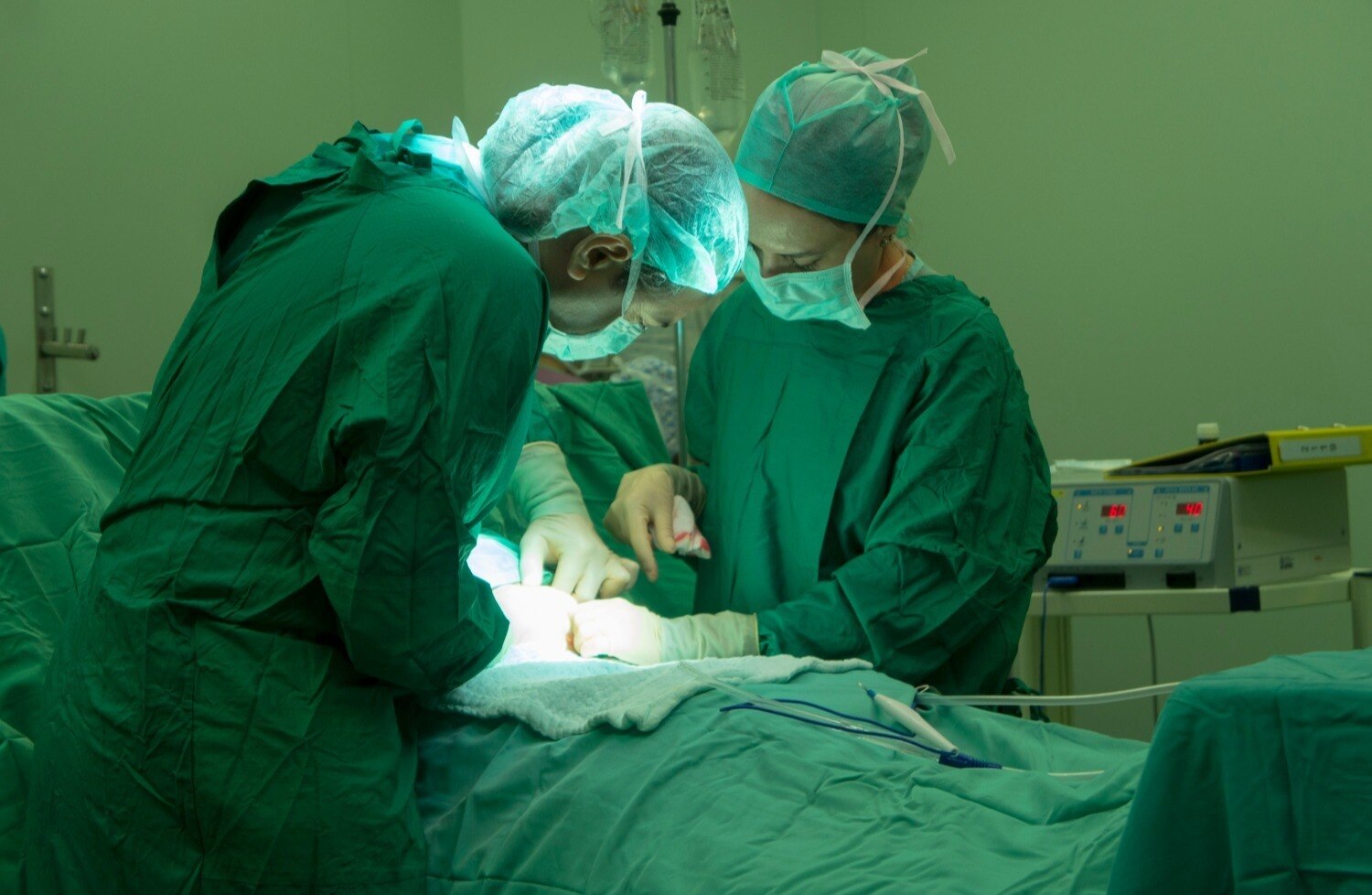
Recovery depends more on the operation, incision pattern, bowel handling, complications and your health than on whether the surgeon uses a robotic system or laparoscopic instruments. You will be able to map expected milestones, compare procedure-specific timelines and prepare for safe aftercare without treating hospital discharge as the end of healing.
Key takeaways
- Robotic surgery does not automatically heal faster than laparoscopic surgery.
- Expect fatigue, incision soreness, and activity limits during the first week.
- Your operation type matters more than the robot when estimating recovery time.
- Seek urgent help for fever, worsening pain, breathlessness, or persistent vomiting.
Why robotic and laparoscopic recovery is often more alike than different
No: robotic surgery does not automatically heal faster than laparoscopic surgery. In both, anaesthesia affects you, instruments enter through abdominal incisions, tissues are handled, and internal healing continues after the skin wounds look small. The robot changes the surgeon’s instrument control; it does not remove those sources of recovery time.
| Milestone | What it tells you |
|---|---|
| Waking from anaesthesia | Early alertness and control of nausea, breathing and pain |
| Leaving hospital | Safe urination, movement, drinking and symptom control |
| Returning to ordinary activity | Practical recovery for walking, work and household tasks |
| Complete internal healing | Deeper tissues have healed, even if you feel normal |
For a useful robotic versus laparoscopic surgery recovery comparison, compare the same operation performed by the same surgeon—not technology labels. Recovery depends on the operation, number and position of ports, bowel handling, complications and whether surgery becomes open. Age, diabetes, obesity, anaemia, smoking, fitness and pre-existing illness also change the pace.
A short admission does not prove full recovery, and robotic surgery does not guarantee less pain, an earlier discharge or a faster return to work.
A realistic recovery timeline from the operating room to normal activity
The first hours focus on safe waking, not speed: staff monitor you after anaesthesia, then help you sit up, drink when permitted, pass urine and take short assisted walks. During the next one or two days, walking increases, food advances as tolerated, and nausea and pain are treated.
Passing gas, then stool, helps show bowel recovery when relevant.
| Procedure | Typical return to ordinary activity |
|---|---|
| Laparoscopic gallbladder removal | About two weeks if uncomplicated; fatigue, loose stools or discomfort can last longer |
| Robotic or laparoscopic inguinal-hernia repair | Roughly one to two weeks, while heavy lifting remains restricted |
| Colorectal resection | Several weeks before substantial recovery |
| Bariatric surgery | Several weeks, with a prescribed staged diet |
| Complex hernia repair | Several weeks, depending on repair size and abdominal-wall strain |
Discharge comes when pain is controlled, you can urinate, walk safely and keep down enough fluid and food; an overnight stay does not mean complete internal healing. Your robotic surgery recovery time and laparoscopic surgery recovery time depend more on the operation, bowel handling, complications and conversion to open surgery than on the platform.
Desk work may return before exercise or lifting. Driving requires no impairing opioid medicine, comfortable sitting, twisting and hard braking, full vehicle control, surgeon clearance and compliance with insurance requirements. Resume exercise and lifting only at the stated limits; a small incision does not mean the internal repair is strong.
Robotic surgery aftercare and laparoscopic surgery aftercare at home
At home, robotic surgery aftercare and laparoscopic surgery aftercare are largely the same: keep incisions clean and dry as directed, leave skin glue and adhesive strips in place, and avoid baths or swimming until permitted. Take prescribed pain medicines, drink enough fluid, and walk frequently rather than staying in bed.
- Inspect the wounds once daily without picking or pulling at coverings.
- Increase walking gradually, but stop if dizziness or severe pain develops.
- Avoid lifting, forceful straining and abdominal exercises until your surgeon gives a specific limit. Small incisions do not mean the abdominal wall is healed; hernia repairs need particular caution.
- Follow the prescribed diet and bowel-medicine plan.
Shoulder-tip or upper-abdominal pain commonly comes from carbon dioxide irritating the diaphragm. Walking, changing position and using prescribed analgesia can help; it usually improves over several days.
Constipation can follow anaesthesia, opioid medicines, dehydration, low food intake and inactivity. Do not self-treat increasing abdominal distension, vomiting or severe pain with laxatives; contact your surgical team instead.
Bruising, mild swelling, numbness and a small amount of clear drainage can be normal. Seek clinical advice for spreading redness, pus, wound separation, worsening pain or fever.
Seek urgent assessment for breathlessness, chest pain, fainting, one-sided leg swelling, persistent vomiting, inability to keep fluids down, rapidly worsening pain or distension, inability to pass urine or heavy bleeding.
Why gallbladder, bowel, hernia and bariatric recovery follow different rules
Your operation, not the robot or laparoscope, sets most recovery rules. The laparoscopic surgery recovery time after uncomplicated gallbladder removal may reach normal activity at about two weeks, yet fatigue, loose stools and abdominal discomfort can continue. That timeline does not apply to bowel resection, bariatric surgery or complex hernia repair.
| Operation | Recovery-specific issues | Practical expectation |
|---|---|---|
| Gallbladder removal | Fatigue, loose stools and abdominal discomfort can outlast incision recovery | Activity often improves by about two weeks |
| Colorectal surgery | Gas, bowel function, stool frequency and internal healing take longer | Substantial recovery commonly takes several weeks |
| Bariatric surgery | Early fullness, reduced appetite, constipation or loose stools; staged diet, protein and vitamin plan | Do not return directly to normal meals |
| Hernia repair | Walking may begin early, but lifting and straining stress the repair | Ask for an exact weight and activity limit |
There is no single robotic surgery recovery time or laparoscopic surgery recovery time. Nausea, uncontrolled pain, urinary retention, fever, slow bowel recovery or another complication can extend admission. Conversion to open surgery creates a larger incision and changes the timeline, so ask how that risk affects your expected recovery.
A short stay does not prove complete healing.
Questions to ask before choosing an approach and when to seek help
Compare the same operation, performed by the same surgeon, rather than treating “robotic” and “laparoscopic” as recovery predictions. Ask how surgeon experience, your age and health conditions, the operation’s complexity, and the chance of complications or open conversion change your timeline.
| Approach | What to compare | Why it matters |
|---|---|---|
| Robotic | Ports, bowel handling, conversion-to-open risk and complication rate | Instrument control does not guarantee less pain or earlier work |
| Laparoscopic | The same operation, surgeon, risks and aftercare plan | This gives a fair recovery comparison |
Before choosing, ask for:
- Expected hospital stay and a day-by-day mobility plan
- Desk-work and driving milestones
- Exact lifting limit and diet progression
- Follow-up date
- Conversion-to-open risk and complication rates for the same procedure
A consultation with Dr Kulkarni at Dr Kulkarni- Advanced LAPAROSCOPY, Colorectal & ROBOTIC Surgery Clinic in Pimpri-Chinchwad can use these questions to build procedure-specific robotic surgery aftercare or laparoscopic surgery aftercare instructions.
Seek prompt clinical assessment for breathlessness, chest pain, fainting, one-sided leg swelling, persistent vomiting, inability to keep fluids down, rapidly worsening pain or distension, inability to pass urine, heavy bleeding, or high or persistent fever. These symptoms require urgent assessment, not routine follow-up.
Related services
Advanced LAPAROSCOPY, Colorectal & ROBOTIC Surgery Advanced LAPAROSCOPY, Colorectal & ROBOTIC Surgery Advanced Laparoscopic, Colorectal & Robotic Surgery Services by Dr. Suprashant Kulkarni Dr. View service → |
Laparoscopic Surgery By Dr. Suprashant Kulkarni Laparoscopic Surgery By Dr. Suprashant Kulkarni Dr. Suprashant Kulkarni holds an MBBS and MS in General Surgery from B. J. Medical College, Pune. View service → |
Frequently asked questions
Is robotic surgery recovery faster than laparoscopic surgery recovery?
Not automatically. Both involve anaesthesia, abdominal incisions, tissue handling, and internal healing. Recovery depends more on the operation, complications, and your health than on the platform alone.
How long does robotic or laparoscopic surgery recovery take?
Many patients resume light daily activities within several days, but return to work, driving, exercise, and heavy lifting follows the surgeon’s instructions and the specific operation. Internal healing continues after the skin wounds look small.
What should you do during robotic surgery aftercare or laparoscopic surgery aftercare?
Walk regularly, take prescribed medicines, keep incisions clean and dry as instructed, follow diet guidance, avoid lifting restrictions, and attend follow-up appointments.
Why does recovery differ after gallbladder, bowel, hernia, or bariatric surgery?
Each operation changes different organs and carries different diet, lifting, bowel-function, and wound restrictions. Bowel and bariatric procedures often require more specific diet and hydration plans than uncomplicated gallbladder surgery.
When should you seek help after robotic or laparoscopic surgery?
Contact your surgical team for worsening pain, fever, increasing redness or drainage, repeated vomiting, inability to drink, or failure to pass urine. Seek emergency help for severe breathlessness, chest pain, fainting, or heavy bleeding.