The best gallbladder operation depends on the diagnosis, the severity of inflammation, bile-duct involvement, your anatomy and your fitness for anaesthesia—not simply on whether a hospital offers robotic surgery. By matching your test results and condition to the safest treatment route, you can compare observation, medicines, laparoscopic, robotic, open and staged procedures with clearer expectations.
Key takeaways
- Repeated stone attacks often require complete gallbladder removal.
- Gallstone pancreatitis or cholangitis can change surgery timing and sequence.
- Laparoscopic surgery suits many patients; robotic or open surgery depends on complexity.
- Ask how your scans, bile duct findings, and previous operations affect the plan.
When gallbladder disease needs surgery—and when it does not
Gallbladder removal is usually recommended when stones cause repeated biliary colic, acute or chronic cholecystitis, gallstone pancreatitis, cholangitis, or another clear complication. The usual operation removes the entire gallbladder, not just the stones.
| Condition | Usual approach | Surgery status |
|---|---|---|
| Silent gallstones | Observation and review if symptoms develop | No operation |
| Biliary colic | Planned laparoscopic cholecystectomy | Usually recommended |
| Acute cholecystitis | Early surgery after assessment and stabilisation | Usually recommended |
| Gallstone pancreatitis | Treat the acute episode, then remove the gallbladder | Usually recommended |
| Common-bile-duct stones or cholangitis | Bile-duct clearance, often with ERCP, followed by gallbladder removal | Usually requires procedures |
| High-risk acute cholecystitis | Antibiotics and percutaneous cholecystostomy, a drainage tube, when immediate surgery is unsafe | Temporary or alternative treatment |
| Polyps, porcelain gallbladder, or suspected cancer | Specialist review based on size, growth, imaging, and cancer risk | Surgery may be advised |
Silent stones found during a scan do not justify surgery by themselves. Operating on every incidental stone exposes you to anaesthetic, bleeding, infection, bile-duct injury, and other risks without established benefit.
Bloating, reflux, nausea, or vague upper-abdominal discomfort do not prove the gallbladder is responsible. Diet changes can reduce fatty-food symptoms, but they do not remove stones; selected patients may receive medicines to dissolve cholesterol stones, though recurrence is common. Persistent symptoms need reassessment.
For most fit patients with typical stone pain, laparoscopic removal is the standard answer to which gallbladder surgery option is best. Discuss the full gallbladder treatment choices when anatomy is difficult or surgery is unsafe.
Match the operation to the condition
The answer to which gallbladder surgery option is best depends on the complication, not simply the scan result or technology label.
| Condition | Usual treatment route | What changes the plan |
|---|---|---|
| Biliary colic | Elective laparoscopic cholecystectomy | Removes the gallbladder and prevents repeated stone attacks; nonspecific bloating or reflux may persist. |
| Acute cholecystitis | Early laparoscopic cholecystectomy | Severe inflammation, unsafe anatomy or high anaesthetic risk may require antibiotics, drainage or delayed surgery. |
| Gallstone pancreatitis | Laparoscopic cholecystectomy after mild pancreatitis settles | Severe pancreatitis, fluid collections or organ failure can delay surgery. |
| Common bile duct stones | Clear the duct with ERCP or surgical duct exploration, then remove the gallbladder | Cholangitis needs urgent drainage and antibiotics; duct imaging guides the sequence. |
| Gallbladder polyps | Cholecystectomy for larger, growing or high-risk polyps | A polyp around 10 mm, rapid growth or concerning features requires specialist assessment. |
| Porcelain gallbladder | Planned cholecystectomy when cancer risk and operative risk justify it | Extensive wall calcification, difficult anatomy or frailty can change the recommendation. |
| Suspected gallbladder cancer | Specialist cancer surgery, often open rather than simple cholecystectomy | The operation may include liver tissue and regional lymph nodes. |
These gallbladder surgery options are not interchangeable. Intraoperative cholangiography or another duct study helps when anatomy is unclear, a duct stone is suspected or bile-duct injury is possible. A surgeon may also stop, drain or convert to open surgery rather than dissect through dangerous inflammation.
Laparoscopic, robotic or open: what changes for you?
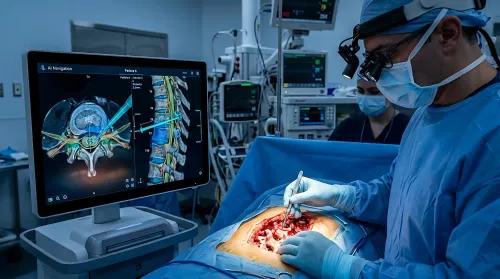
For most symptomatic gallstones, standard laparoscopic gallbladder surgery or robotic surgery removes the entire gallbladder through small abdominal openings. The safer choice depends on inflammation, scar tissue, anatomy and suspected duct stones—not the technology label.
| Option | Incisions and ports | Operating time and stay | Pain, recovery and cost | Conversion risk |
|---|---|---|---|---|
| Laparoscopic | Usually three or four small incisions; camera and instruments enter through ports | Usually the shortest setup; many patients go home the same day or next day | Less pain and faster return to normal activity than open surgery; usually the lowest cost | Difficult anatomy or severe inflammation can require extra ports or conversion to open surgery |
| Robotic | Several small ports, with robotic instruments controlled from a console; same gallbladder removal | Docking and setup can lengthen operating-room time; discharge is often same day or next day | Recovery resembles laparoscopy; wristed instruments and camera control do not guarantee better outcomes; usually costs more | Conversion remains possible when anatomy is unsafe |
| Open | One larger incision beneath the right ribs, or another upper-abdominal incision | Longer operation recovery and commonly several hospital days | More pain, wound care and a slower return to work; cost varies with hospital stay and complexity | No conversion is needed because this is the open approach |
A single-incision laparoscopic operation uses one skin opening, but it can be harder to perform and does not consistently improve recovery; extra ports or conversion can follow. In this gallbladder surgery comparison, ask what finding would trigger a safer bailout plan.
How scans and blood tests change the surgical plan
An ultrasound showing a common bile duct stone changes the plan: gallbladder removal alone will not clear the duct. Ultrasound also identifies gallstones, gallbladder-wall thickening, fluid, and duct widening, but it can miss small duct stones.
Liver tests and bilirubin show whether bile is being obstructed. A rising bilirubin, alkaline phosphatase, or gamma-glutamyl transferase supports further duct imaging, especially with jaundice, fever, or pain. A raised lipase points to gallstone pancreatitis; the team usually stabilises the pancreatitis before cholecystectomy, with urgent duct treatment if cholangitis or persistent obstruction is present.
MRCP provides a non-invasive map of the bile ducts and helps confirm a suspected stone before intervention. ERCP is different: it uses an endoscope to remove a duct stone or place a stent, so doctors reserve it for a strong therapeutic reason because it carries risks such as pancreatitis and bleeding.
- Ask whether your results require duct clearance by ERCP, laparoscopic duct exploration, or a combined approach.
- Ask whether the gallbladder operation should follow duct treatment during the same admission or after recovery.
- If acute cholecystitis makes immediate surgery unsafe, ask whether percutaneous cholecystostomy—a drainage tube through the skin—is a temporary bridge or the planned alternative.
- Ask what finding would delay surgery, require drainage, or trigger intraoperative cholangiography when anatomy is unclear.
These results matter more than the technology label in a gallbladder surgery comparison. They determine the safest gallbladder treatment choices for your anatomy, inflammation, and anaesthetic risk.
The questions that identify the safest option for your case
The safest choice depends on what makes your operation difficult, not on whether the label says robotic. Ask, “Which gallbladder surgery option is best for my inflammation, previous operations, scans, anesthesia risk and suspected duct stones?”
- If you are choosing between laparoscopic gallbladder surgery or robotic, ask what measurable advantage the robot offers in your case, and whether it adds operating-room time or cost without improving safety.
- Ask how you will confirm the critical view of safety before dividing the cystic duct and artery.
- Ask what happens if scarring or bleeding hides the anatomy: subtotal cholecystectomy, fundus-first dissection, intraoperative cholangiography, or conversion to open surgery.
- Ask how a common-bile-duct stone will be treated: ERCP before or after surgery, duct exploration during surgery, or delayed treatment.
- Ask whether single-incision surgery increases the chance of extra ports, open conversion, wound pain or an incisional hernia.
| Option | Question to ask | Main trade-off |
|---|---|---|
| Standard laparoscopy | Is the inflammation suitable for this approach? | Several small incisions; difficult dissection can require a bailout |
| Robotic surgery | What specific problem will the platform solve? | Greater resource use and setup time; not automatically safer |
| Open surgery | Why is minimally invasive access unsafe? | Larger incision and slower recovery, but direct access |
| Staged drainage | Is immediate removal too risky? | Controls severe illness first; requires later planning |
Dr Kulkarni- Advanced LAPAROSCOPY, Colorectal & ROBOTIC Surgery Clinic can use this discussion to match the operation to your anatomy rather than sell a technology label.
Related service
Gallbladder Treatments by Dr. Suprashant D. Kulkarni Consultant – Laparoscopic & General Surgery The gallbladder is a small organ that stores bile, which helps in... View service → |
Frequently asked questions
When does gallbladder disease need surgery?
Surgery is commonly recommended for repeated biliary colic, acute or chronic cholecystitis, gallstone pancreatitis, cholangitis, or another clear complication. Uncomplicated, symptom-free stones do not always require removal.
What gallbladder surgery options match different conditions?
The condition determines the plan. Standard treatment usually removes the entire gallbladder. Bile duct stones, infection, pancreatitis, severe inflammation, or suspected cancer can require additional procedures, urgent treatment, or a different operation.
Is laparoscopic or robotic gallbladder surgery better?
Both use small incisions, but the safest approach depends on inflammation, anatomy, previous abdominal surgery, surgeon expertise, and whether complications are present. Open surgery may be necessary when key structures cannot be identified safely.
How do scans and blood tests affect the surgical plan?
Ultrasound can show stones, gallbladder-wall thickening, fluid, and bile duct dilation. Liver-function tests, bilirubin, white blood cell count, and pancreatic enzymes help identify obstruction, infection, or pancreatitis and can change the timing or need for bile duct treatment.