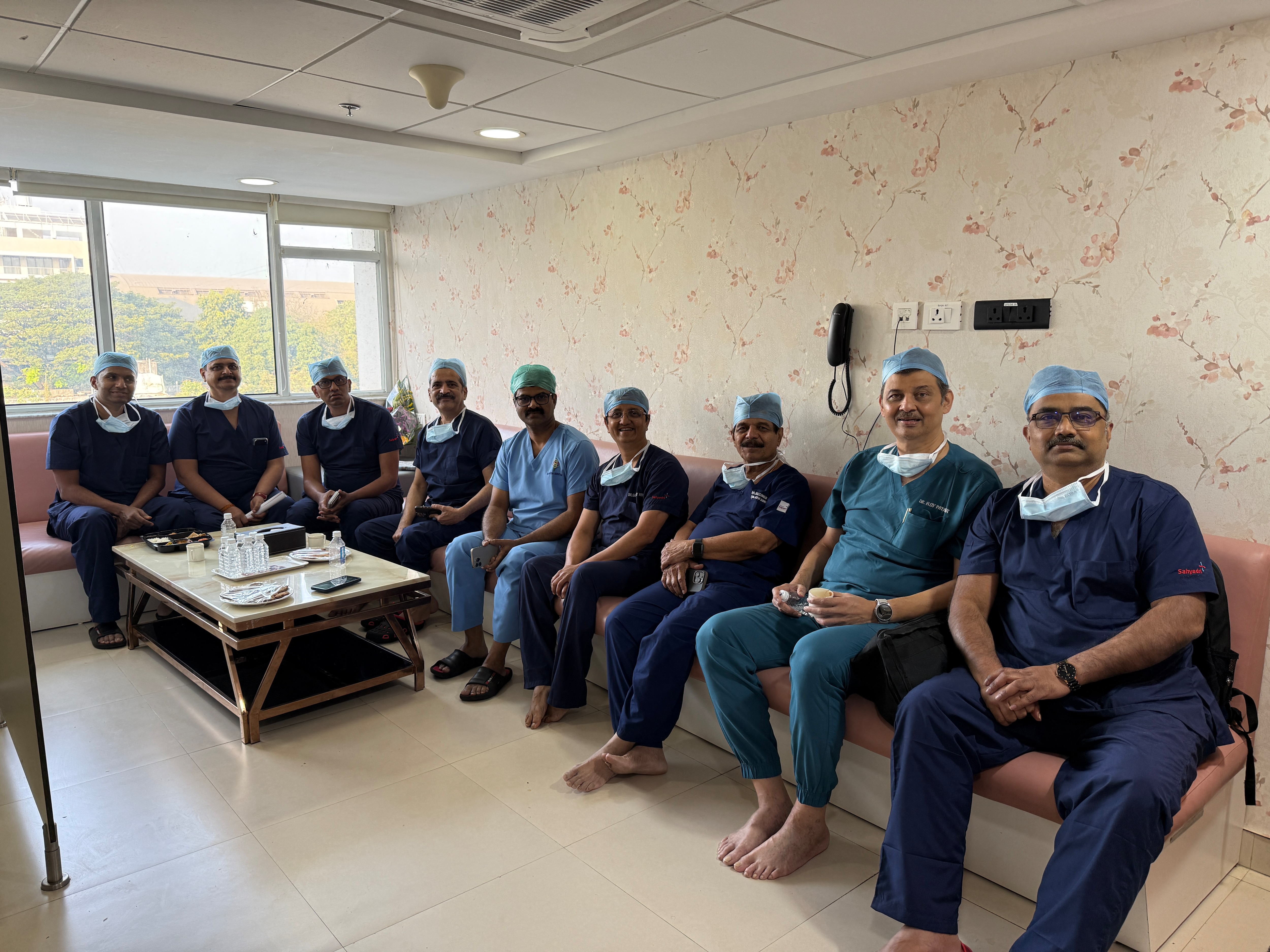
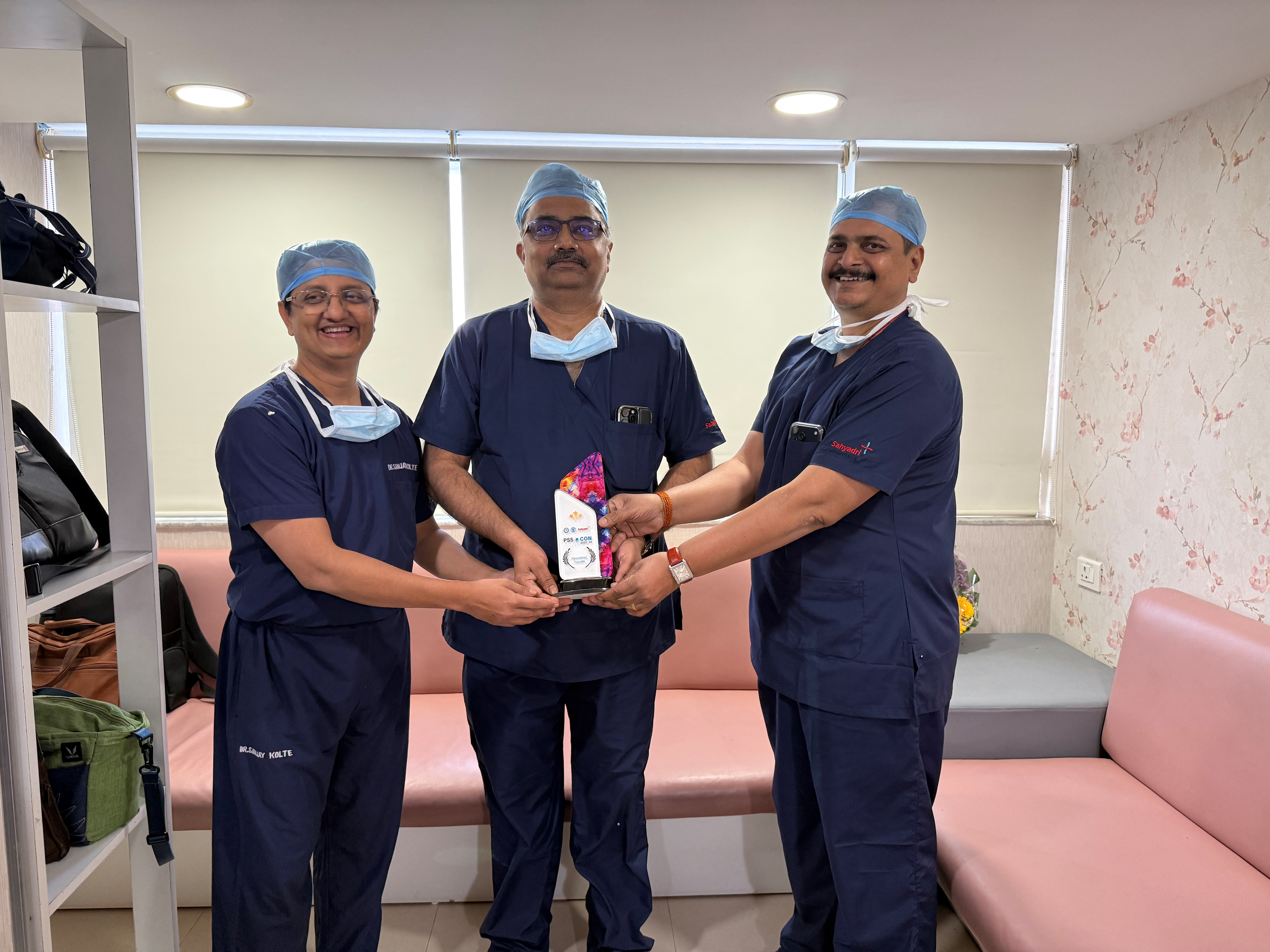
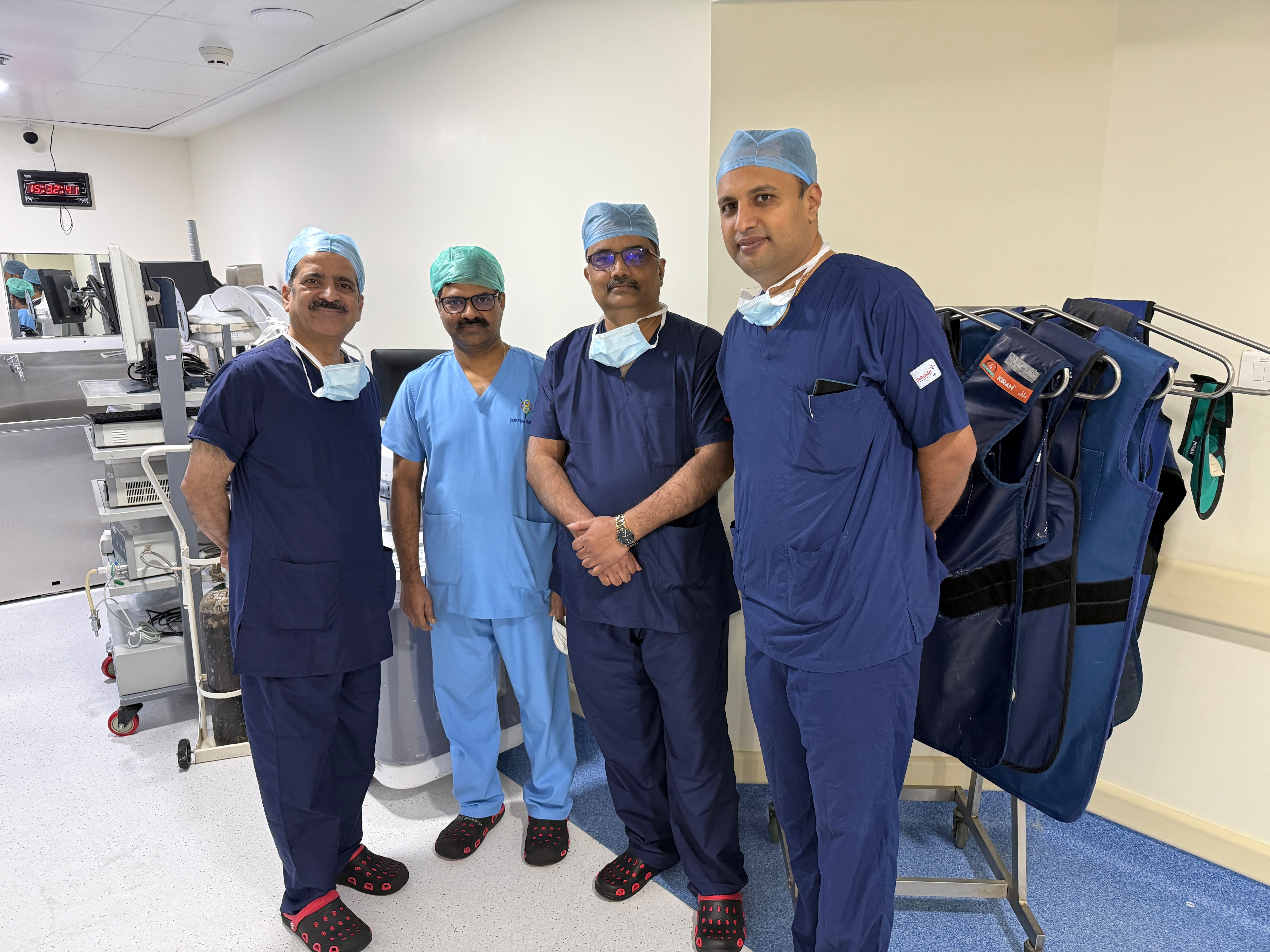
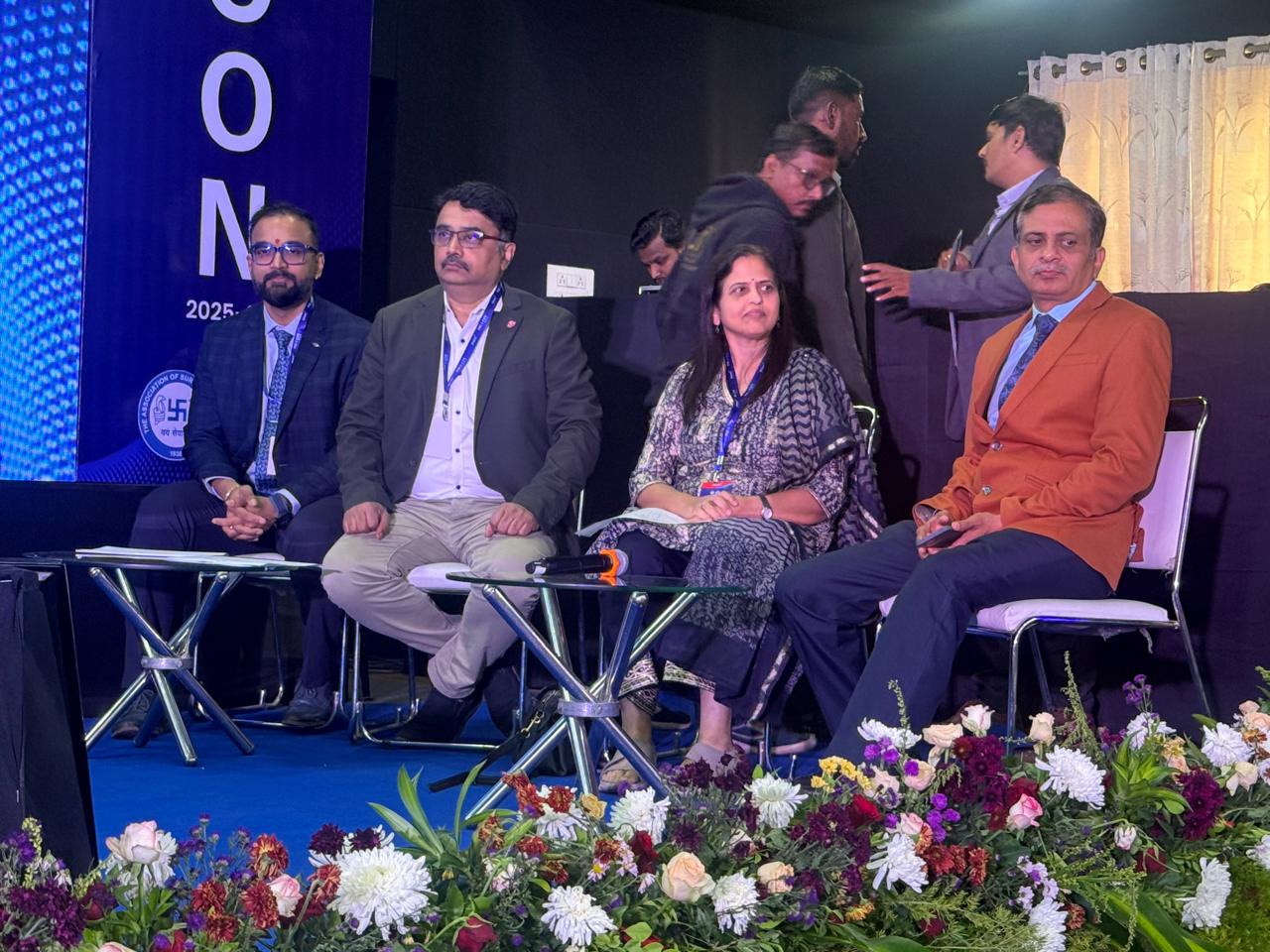
The Poona Surgical Society Annual Meeting (PSSCON 2025) was held on 29–30 November 2025 at YASHADA, Pune, with the Live Operative Workshop conducted on 29 November 2025 at Sahyadri Hospitals, Pune.
I was honoured and grateful to be selected as operative faculty for the workshop by my PSS colleagues and the Executive Committee. I was entrusted with demonstrating Laparoscopic PeTEP hernioplasty for ventral hernia.
PeTEP (Preperitoneal Extended Totally Extraperitoneal repair), first described in 2024 by Valenzuela Alpuche et al., with the cranial variant reported in 2025 by Muñoz-Rodríguez JM and colleagues, enables direct access to the preperitoneal plane via a linea alba incision and dissection above the falciform ligament—avoiding transabdominal peritoneal flap creation.
This true preperitoneal approach allows the use of standard uncoated polypropylene mesh, eliminating the need for costly composite meshes and tackers, while significantly reducing bowel adhesions, fistulisation, and mesh-related complications associated with intraperitoneal repairs.
As the plane is largely free of major nerves and vessels, it is patient- and surgeon-friendly, though it requires meticulous dissection and technical precision due to the thin peritoneum.
The procedure was well appreciated by moderators, chairpersons, delegates, and national faculty members, with engaging discussions reflecting the growing interest in evidence-based, anatomy-driven minimally invasive hernia surgery.
Grateful to the Poona Surgical Society, Sahyadri Hospitals, and the organizing team for a high-quality academic event.
PSSCON2025 PoonaSurgicalSociety PSS
Pune PuneSurgeons
HerniaSurgery VentralHernia AbdominalWallReconstruction
PeTEP MinimallyInvasiveSurgery AdvancedLaparoscopy
RoboticAndMIS SurgicalInnovation
HerniaSocieties
SahyadriHospitals LokmanyaHospitals JupiterHospital
AWRSC AWR RoboticSurgery herniaSurgery EHS2026 EHS2025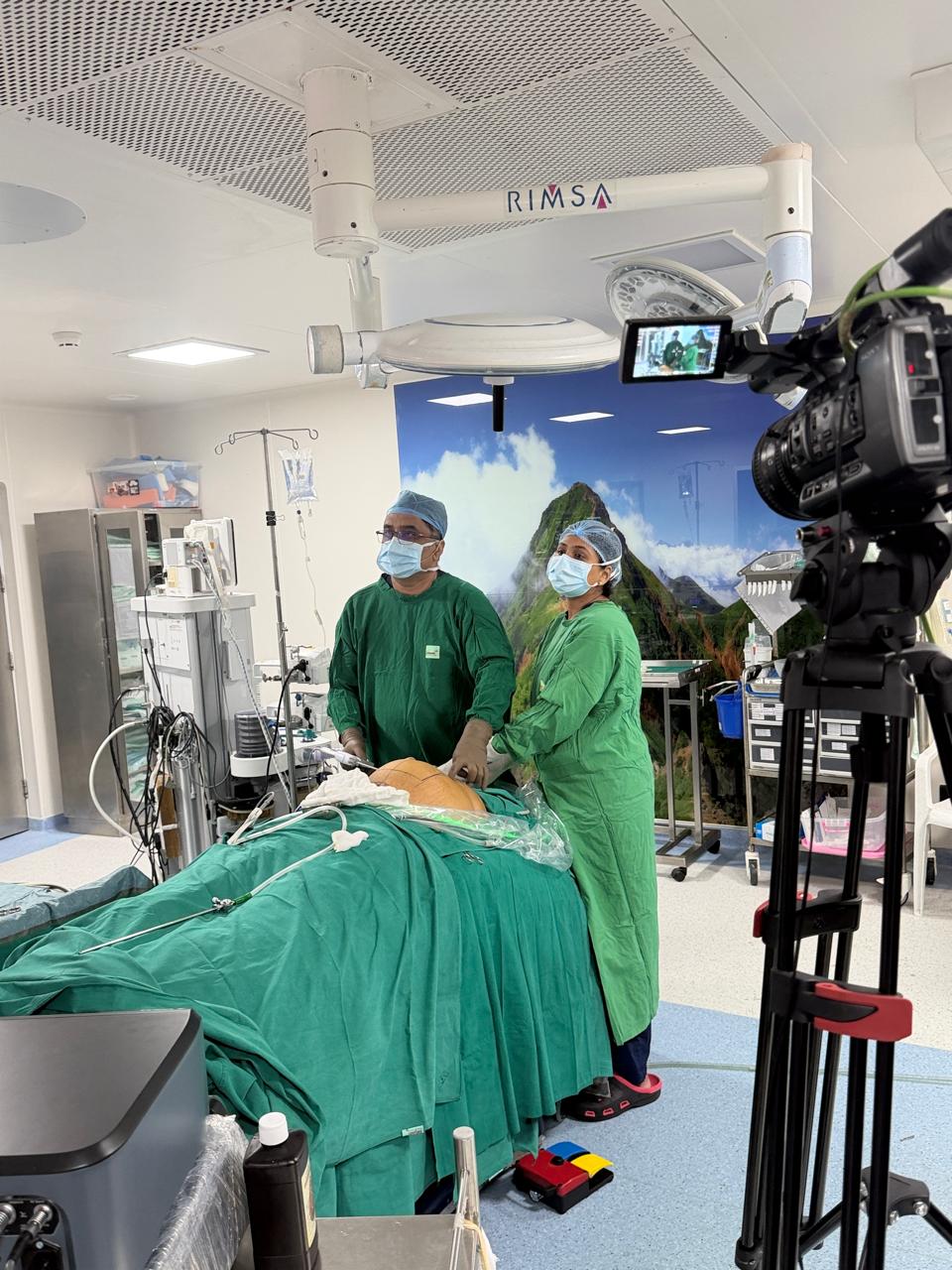
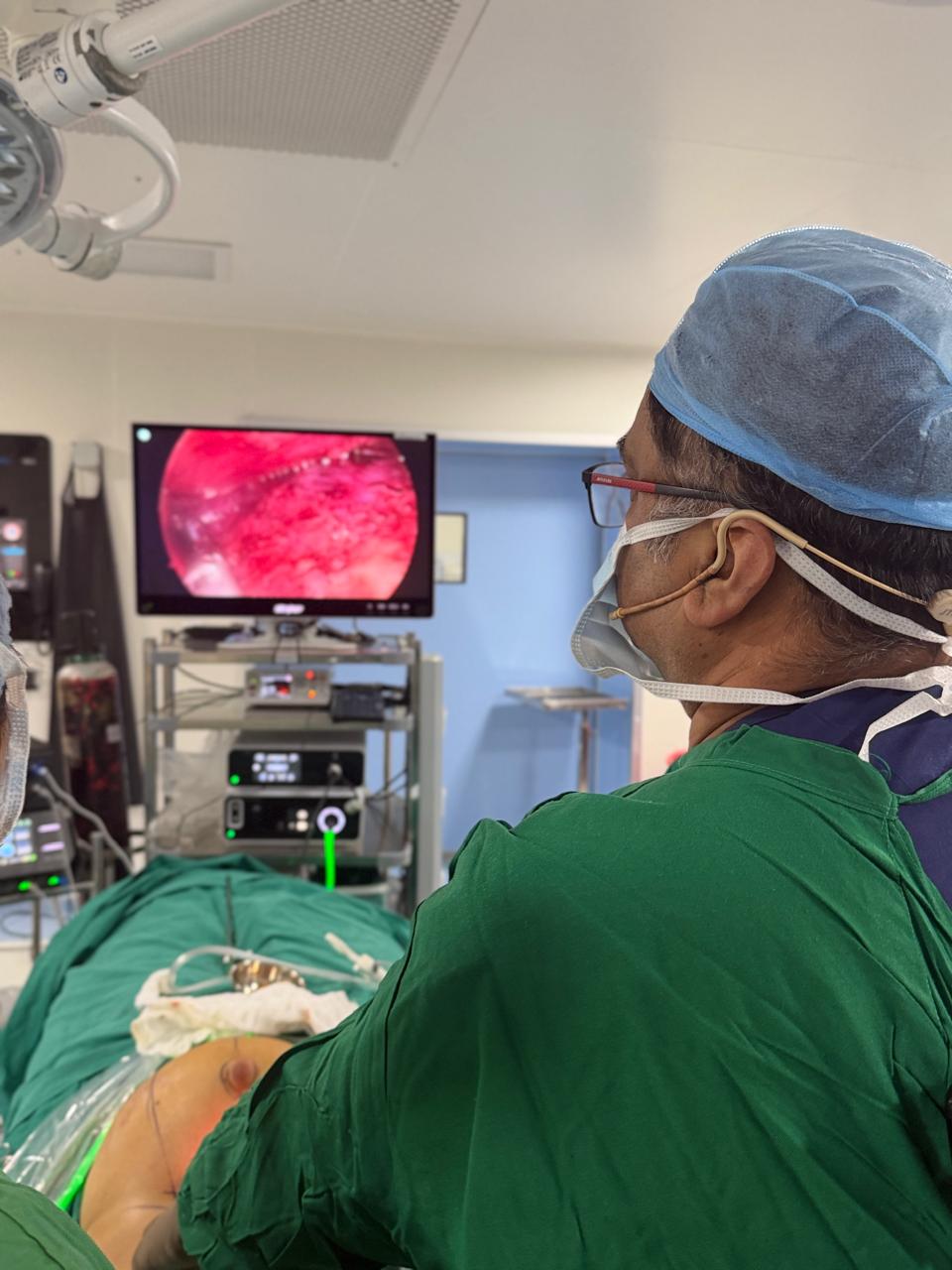
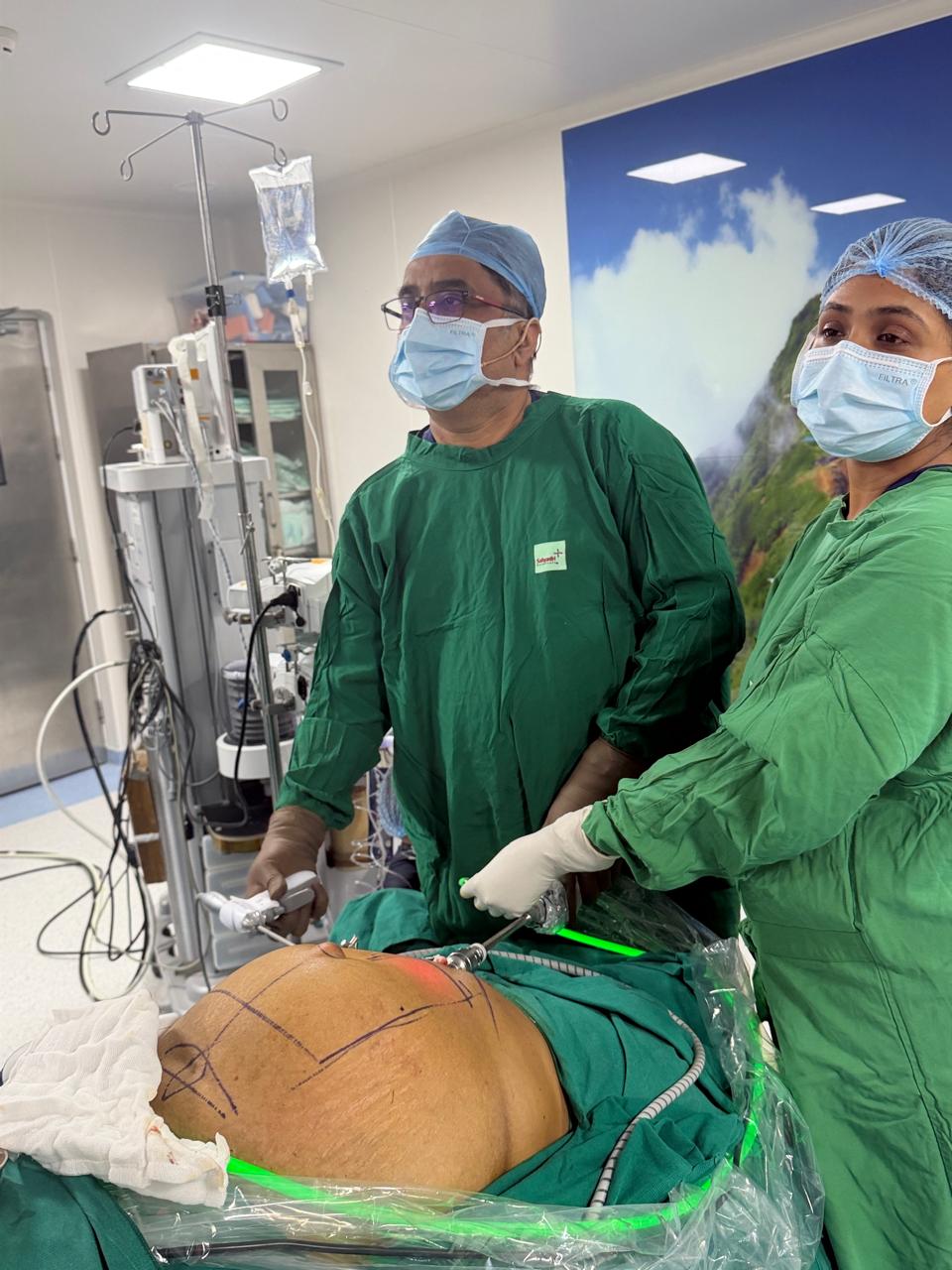
I was honoured and grateful to be selected as operative faculty for the workshop by my PSS colleagues and the Executive Committee. I was entrusted with demonstrating Laparoscopic PeTEP hernioplasty for ventral hernia.
PeTEP (Preperitoneal Extended Totally Extraperitoneal repair), first described in 2024 by Valenzuela Alpuche et al., with the cranial variant reported in 2025 by Muñoz-Rodríguez JM and colleagues, enables direct access to the preperitoneal plane via a linea alba incision and dissection above the falciform ligament—avoiding transabdominal peritoneal flap creation.
This true preperitoneal approach allows the use of standard uncoated polypropylene mesh, eliminating the need for costly composite meshes and tackers, while significantly reducing bowel adhesions, fistulisation, and mesh-related complications associated with intraperitoneal repairs.
As the plane is largely free of major nerves and vessels, it is patient- and surgeon-friendly, though it requires meticulous dissection and technical precision due to the thin peritoneum.
The procedure was well appreciated by moderators, chairpersons, delegates, and national faculty members, with engaging discussions reflecting the growing interest in evidence-based, anatomy-driven minimally invasive hernia surgery.
Grateful to the Poona Surgical Society, Sahyadri Hospitals, and the organizing team for a high-quality academic event.
PSSCON2025 PoonaSurgicalSociety PSS
Pune PuneSurgeons
HerniaSurgery VentralHernia AbdominalWallReconstruction
PeTEP MinimallyInvasiveSurgery AdvancedLaparoscopy
RoboticAndMIS SurgicalInnovation
HerniaSocieties
SahyadriHospitals LokmanyaHospitals JupiterHospital
AWRSC AWR RoboticSurgery herniaSurgery EHS2026 EHS2025


