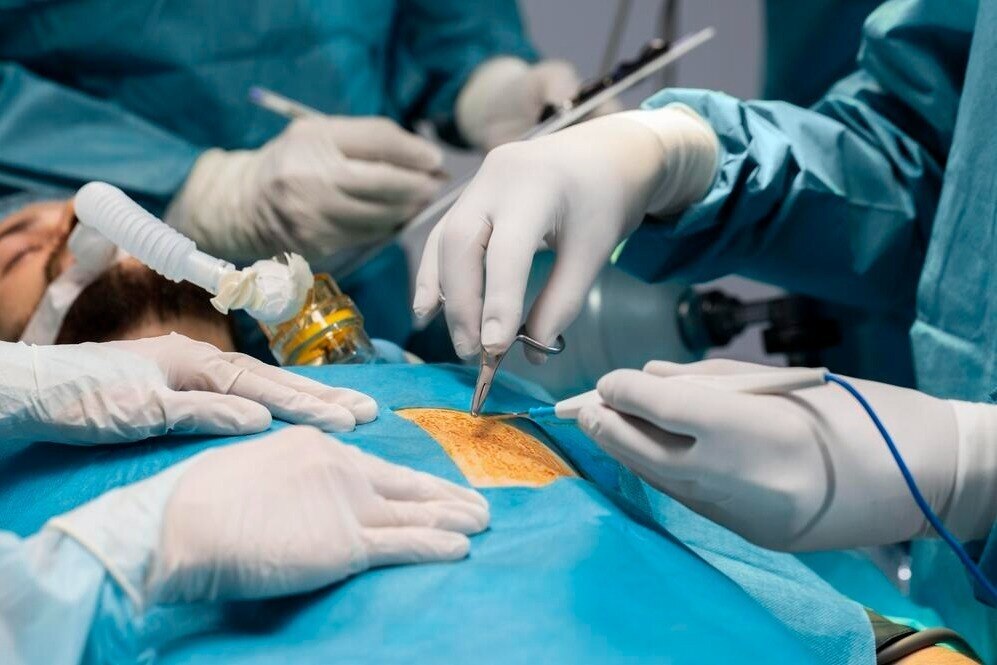
Laparoscopy is suitable when it can treat the diagnosed problem safely through small abdominal incisions without compromising access, disease removal or anaesthesia safety. By the end, you will know which conditions commonly qualify, which health factors can change the plan, what to ask during a consultation and which records to bring.
Key takeaways
- Suitability depends on your diagnosis, urgency, previous operations and overall health.
- Ask which operation you need and why laparoscopy, robotics or open surgery fits it.
- Share all medicines, allergies, past anaesthesia problems and previous abdominal operations.
- Request details about recovery, complications, conversion to open surgery and surgeon experience.
Which conditions are commonly suitable for laparoscopic surgery?
Suitability starts with the exact diagnosis, urgency and operation required—not your location. So, “Is laparoscopic surgery right for me in Pimpri Chinchwad?” cannot be answered without reviewing the disease, previous operations, general health and the surgeon’s experience with that procedure.
| Condition | When laparoscopy commonly fits | When another approach may fit |
|---|---|---|
| Gallstones | Removing a diseased gallbladder | Medication or observation for selected patients |
| Appendicitis | Appendectomy when the patient is stable | Open surgery for severe infection or unsafe anatomy |
| Groin or ventral hernia | Bilateral primary groin hernia, recurrent hernia after open repair, or suitable ventral hernia | Open repair for some unilateral hernias or inability to tolerate general anaesthesia |
| Reflux | Fundoplication or another anti-reflux operation after assessment | Medication or endoscopy when surgery is unnecessary |
| Colorectal disease | Selected bowel resections with adequate cancer margins and lymph-node assessment | Open surgery for obstruction, perforation, instability or advanced local disease |
| Obesity-related disease | Bariatric surgery after metabolic assessment | Durable non-surgical treatment when surgical benefit is insufficient |
| Liver or pancreas disease | Carefully selected resections in experienced centres | Open surgery for complex anatomy, extensive disease or bleeding risk |
For bariatric surgery, the 2022 ASMBS/IFSO guidance uses metabolic health rather than incision size: BMI 35 or higher, or BMI 30–34.9 with metabolic disease after unsuccessful durable non-surgical treatment. Laparoscopy is the wrong choice when medication, endoscopy or non-operative care treats the problem better, or when safe disease removal requires open access.
The operation must achieve its medical goal, not merely use smaller incisions.
What health factors determine whether laparoscopy is safe?
Laparoscopy is safe only when the diagnosis, disease severity and your ability to tolerate general anaesthesia and carbon-dioxide pneumoperitoneum all support it.
The surgeon reviews scans, endoscopy, pathology and laboratory results to assess obstruction, perforation, extensive infection, disease stage, complex anatomy and whether cancer surgery would remove the bowel adequately and evaluate the required lymph nodes.
Previous abdominal operations do not automatically rule out laparoscopy. Their number, location and type matter because adhesions can make entry difficult, increase bowel or blood-vessel injury risk, require another access site or lead to conversion. Body weight, smoking, heart and lung function, kidney disease, diabetes, pregnancy possibility and bleeding history also affect planning.
- Firm barriers include haemodynamic instability, uncontrolled bleeding, an uncorrectable bleeding disorder, inability to tolerate general anaesthesia or raised abdominal pressure, and inadequate heart, lung or kidney reserve.
- Open surgery may be safer with extensive infection, advanced cancer, unclear anatomy or disease that cannot be removed effectively through small ports.
- Review anticoagulants, antiplatelet drugs and diabetes medicines with the operating and prescribing clinicians. Do not stop or change them yourself.
| Factor | Usually means | Possible consequence |
|---|---|---|
| Prior surgery or obesity | Technical difficulty, not automatic exclusion | Longer operation or conversion |
| Dense adhesions | Difficult entry or dissection | Bowel injury risk or open surgery |
| Uncontrolled bleeding or instability | Immediate safety barrier | Open or emergency treatment |
| Advanced cancer or complex anatomy | Minimally invasive removal may be inadequate | Open surgery may achieve better disease control |
A consultation addressing laparoscopic surgery suitability pune should compare laparoscopic, open, endoscopic and non-operative choices for your specific condition.
How do laparoscopic, robotic and open surgery compare?
The smallest incision is not automatically the best operation. The right choice must remove or treat the disease safely, preserve necessary function and match your anatomy, urgency and anaesthesia risk.
| Option | Incision and recovery | Trade-offs |
|---|---|---|
| Laparoscopic | Several small abdominal incisions; usually less pain, shorter hospital stay and earlier activity | Requires specialised equipment and experienced staff; tactile feedback is reduced; operating time and cost vary |
| Open | One larger incision; often more pain, longer admission and slower return to activity | Direct tactile feedback, broad access and wider equipment availability; can be safer for complex disease |
| Robotic | Small-incision abdominal access with wristed instruments and improved surgeon ergonomics in selected operations | Cost and operating time can be higher; it creates no new indication, guarantees no better outcome and still requires an experienced team |
Laparoscopy still carries risks: bleeding, infection, bowel, bladder or blood-vessel injury, anaesthetic complications, blood clots and port-site hernia. Shoulder-tip pain from residual carbon dioxide is common, but worsening pain, fever, vomiting, breathlessness, fainting or wound discharge needs prompt assessment.
A surgeon may convert to open surgery when dense adhesions, uncontrolled bleeding, unclear anatomy, cancer-related requirements or unsafe disease removal prevents adequate progress. Conversion is a recognised safety decision, not automatically a failed operation.
Ask about these trade-offs during a laparoscopic surgeon consultation Pune patients can access locally, including the likely conversion risk for your exact procedure. The best approach depends on the operation, not the label.
What happens during a minimally invasive surgery consultation in Pimpri Chinchwad?
A minimally invasive surgery consultation in Pimpri Chinchwad begins with your exact diagnosis, urgency and proposed operation. The surgeon takes a history, examines your abdomen, and reviews CT or MRI images, pathology, endoscopy findings and laboratory results—not just a written summary.
Bring complete records, including:
- CT or MRI discs or digital files, ultrasound and endoscopy reports
- Discharge summaries, previous operation notes, and the number, type and location of abdominal procedures
- Every current medicine with its dose, including anticoagulants, antiplatelet drugs and diabetes medicines
- Allergy details, bleeding history, smoking history, weight and possible pregnancy
- Records of heart, lung, diabetes and kidney disease
Do not stop or change prescribed medicines without a perioperative plan. The anaesthesia assessment checks whether general anaesthesia and carbon-dioxide pneumoperitoneum are tolerable.
| Option | What is discussed | Why it matters |
|---|---|---|
| Laparoscopic or robotic | Expected recovery, complications and conversion risk | Small access wounds do not remove serious surgical risks |
| Open surgery | Longer recovery and different wound risks | It may be safer for unclear anatomy, severe infection or bleeding |
| Endoscopic or non-operative care | Whether surgery can be avoided | The least invasive option is not always the most effective |
Ask when the surgeon would change approach and consent to that change if safety requires it. At Dr Kulkarni- Advanced LAPAROSCOPY, Colorectal & ROBOTIC Surgery Clinic, bring the complete record and ask how the proposed operation fits your diagnosis.
Related services
Laparoscopic Surgery By Dr. Suprashant Kulkarni Laparoscopic Surgery By Dr. Suprashant Kulkarni Dr. Suprashant Kulkarni holds an MBBS and MS in General Surgery from B. J. Medical College, Pune. View service → |
Advanced LAPAROSCOPY, Colorectal & ROBOTIC Surgery Advanced LAPAROSCOPY, Colorectal & ROBOTIC Surgery Advanced Laparoscopic, Colorectal & Robotic Surgery Services by Dr. Suprashant Kulkarni Dr. View service → |
What should you ask before choosing the surgical approach?
Ask how often the surgeon performs your exact operation, not how often they perform surgery in general. Ask whether the recommended plan is laparoscopic, robotic, open, endoscopic or non-operative, and which finding would change it.
| Approach | Main question | When it may apply |
|---|---|---|
| Laparoscopic | Can the disease be treated safely through small incisions? | Suitable anatomy, stable condition and tolerable general anaesthesia |
| Robotic | Does its added instrument control help this operation? | Selected complex procedures; it does not guarantee better results |
| Open | Would direct access improve safety or disease removal? | Dense adhesions, uncontrolled bleeding, advanced cancer or unclear anatomy |
| Non-operative or endoscopic | Can treatment avoid abdominal surgery? | Medication, surveillance or an endoscopic procedure meets the medical goal |
Ask these questions before consenting:
- What is my expected conversion risk, and why might you need to open?
- What are the main complications, including bleeding, bowel injury, infection, clots and anaesthetic problems?
- How long will I stay, when can I work, and how will pain be controlled?
- Who will treat a serious complication, and is overnight monitoring or intensive-care access available?
- Does the hospital have suitable equipment and experienced anaesthesia support for major colorectal surgery, complex recurrent hernia, emergency surgery or higher-risk bariatric surgery?
- Who will give written instructions for anticoagulants, antiplatelet medicines and diabetes treatment? Do not change them yourself.
The decision should balance disease control, anaesthesia risk, technical difficulty, recovery and local resources—not “laparoscopic” or “robotic” alone. Ask “is laparoscopic surgery right for me in pimpri chinchwad?” during a laparoscopic surgeon consultation pune when it produces a diagnosis-specific plan and a clear alternative.
Frequently asked questions
Which conditions are commonly suitable for laparoscopic surgery?
Laparoscopy is commonly used for procedures involving the gallbladder, appendix, hernias, reflux, colorectal conditions and selected bariatric operations. Suitability depends on the exact diagnosis, disease extent and urgency.
What health factors determine whether laparoscopy is safe?
Your surgeon will assess previous abdominal operations, heart and lung function, obesity, bleeding risk, medicines, anaesthesia history, infection and whether you can tolerate carbon dioxide used to create working space.
How do laparoscopic, robotic and open surgery compare?
Laparoscopic and robotic surgery use small incisions, while open surgery uses a larger incision. Robotic systems can improve instrument movement and control in selected operations, but they are not automatically better for every condition. Open surgery remains appropriate when disease is extensive, urgent or difficult to treat safely through small incisions.
What happens during a minimally invasive surgery consultation in Pimpri Chinchwad?
The consultation covers your symptoms, diagnosis, scans, medicines, allergies, previous operations and fitness for anaesthesia. The surgeon explains the proposed procedure, alternatives, risks, recovery, likely hospital stay and circumstances that could require open surgery.
What should you ask before choosing the surgical approach?
Ask why the recommended approach suits your diagnosis, how often the surgeon performs it, what complications are possible, when conversion to open surgery could occur, how long recovery may take and what alternatives exist.
Related service
GI Surgery by Dr. Suprashant D. Kulkarni GI Surgery by Dr. Suprashant D. Kulkarni Consultant – Laparoscopic & General Surgery Dr. Suprashant D. View service → |