Persistent upper-abdominal pain, vomiting, jaundice, greasy stools or unexplained weight loss can point to several pancreatic and non-pancreatic conditions, and the right next step depends on the pattern and severity. By the end, you will know when to seek emergency care, how doctors investigate the pancreas, what test results mean, and how treatment decisions are made.
Key takeaways
- Seek urgent care for severe pain with vomiting, fever, or jaundice.
- Bring symptom details, previous scans, medicines, and diabetes history.
- Ask how each test changes the diagnosis or treatment plan.
- Confirm tumour resectability before comparing surgery, chemotherapy, or surveillance.
When pancreatic symptoms need urgent assessment
Persistent upper-abdominal pain that spreads to the back needs prompt medical assessment, especially with vomiting or fever. Acute pancreatitis can begin suddenly; chronic pancreatitis may cause recurring pain, greasy stools and weight loss. Cysts, pseudocysts, neuroendocrine tumours and pancreatic cancer can instead present with few symptoms, jaundice, digestive changes, or new diabetes.
| Condition | Possible pattern | Action |
|---|---|---|
| Acute pancreatitis | Severe pain, vomiting, fever | Same-day assessment |
| Chronic pancreatitis | Recurrent pain, greasy stools, weight loss, worsening diabetes | Prompt outpatient review |
| Cyst or pseudocyst | Abdominal discomfort, vomiting, jaundice, or no symptoms | Arrange imaging-led review |
| Neuroendocrine tumour or cancer | Weight loss, jaundice, dark urine, pale stools, new diabetes | Urgent specialist assessment |
Go directly to a hospital rather than waiting for an outpatient appointment if you have:
- Severe or persistent abdominal pain
- Repeated vomiting or inability to keep fluids down
- Confusion or fainting
- Fever with jaundice, or suspected infection
- New jaundice with dark urine and pale stools
Gallstones, alcohol, medicines, very high triglycerides, duct problems and cancer can all cause pancreatitis. Do not assume an episode followed a meal and therefore needs no follow-up: unexplained or recurrent attacks, particularly in an older adult, require investigation.
If you are searching what to expect from pancreatic disease treatment pune, urgent symptoms take priority over arranging a routine consultation.
What happens at the first pancreatic consultation
The clinician will map when the pain began, whether it is constant or episodic, its upper-abdominal location, and whether it reaches the back or shoulder.
They will ask about vomiting, stool changes, jaundice, dark urine, pale stools, fever and weight loss, plus previous pancreatitis or gallstones, alcohol, tobacco, medicines, diabetes, triglycerides, family history of pancreatic cancer or cysts, and prior operations. Bring a symptom timeline and medicine list to a pancreatic disease diagnosis Pune appointment.
| Possible source | Clues the clinician checks |
|---|---|
| Pancreas | Persistent upper-abdominal pain to the back, vomiting, greasy stools or weight loss |
| Gallbladder | Right-upper pain after meals, gallstones or jaundice |
| Peptic ulcer | Burning or gnawing pain linked to meals, ulcer or anti-inflammatory medicine use |
| Liver or bile duct | Jaundice, dark urine, pale stools and abnormal liver tests |
| Bowel | Distension, altered bowel habit, cramps or blood in stool |
| Heart or lung | Chest or upper-abdominal pain with breathlessness, exertion or cough |
The examination includes pulse, blood pressure, temperature, hydration, jaundice, abdominal tenderness, guarding, distension and palpable masses; the clinician also checks the heart and lungs.
They review the actual CT or MRI images and laboratory reports, not only a referral summary, because the images show duct blockage, cyst features, vessel contact and complications that a short report can miss.
The initial aim of a pancreatic surgery consultation Pune is to classify the problem as inflammation, obstruction, a cystic lesion or possible tumour before choosing treatment.
How pancreatic tests are chosen and prepared for
Testing usually moves from blood work and ultrasound to cross-sectional imaging, then EUS when a mass, cyst or unclear finding needs closer inspection. The right pathway for pancreatic disease diagnosis pune depends on whether the concern is inflammation, bile-duct obstruction, a cyst or cancer.
1. Lipase and amylase support a diagnosis of pancreatic inflammation. Liver-function tests and bilirubin look for bile-duct obstruction, while glucose and triglycerides identify metabolic causes and diabetes risk.
2. Ultrasound looks for gallstones and a widened bile or pancreatic duct. It is useful early, but bowel gas can hide the pancreas.
3. Contrast, pancreas-protocol multiphase CT shows inflammation and complications, and stages a tumour by assessing vessel involvement, liver spread and resectability.
4. MRI with MRCP maps the bile and pancreatic ducts, characterises cysts, and clarifies uncertain liver or pancreatic findings. EUS provides detailed imaging and permits needle sampling of a suspicious lesion.
5. ERCP is mainly therapeutic: it removes a bile-duct stone, places a stent or samples a duct. It is not a routine first diagnostic scan because it can cause pancreatitis, bleeding, infection and perforation.
Fast as instructed before the scan or procedure; the imaging centre will give the exact fasting period. Review kidney function before iodinated CT contrast, report previous contrast reactions, and complete MRI safety screening for implants or metal fragments. Arrange transport after sedated EUS or ERCP.
CA 19-9 is not a stand-alone cancer test; jaundice, cholangitis and pancreatitis can raise it. A negative EUS sample does not always exclude cancer.
How treatment changes by diagnosis and tumour resectability
Test results do not lead to one pancreas treatment. Mild acute pancreatitis usually receives supportive care: fluids when needed, pain and nausea control, monitoring, and early oral feeding as tolerated. Preventive antibiotics are not routine for uncomplicated disease; use them for proven or suspected infection, including infected necrosis.
Chronic pancreatitis may require pancreatic enzyme replacement with every meal and snack when exocrine insufficiency causes greasy stools, weight loss or vitamin deficiencies. Diabetes needs separate glucose care, while duct obstruction and persistent pain may require endoscopic, surgical or specialist treatment.
Selected pancreatic cysts need surveillance; others need drainage or surgery based on size, symptoms, growth and cancer risk. A pseudocyst is observed when stable and uncomplicated, but drained when infected, bleeding, obstructing or persistently symptomatic.
For cancer, imaging classifies disease as resectable, borderline resectable, locally advanced or metastatic. Treatment can include chemotherapy before surgery, surgery, radiation or palliative care.
| Approach | Cancer clearance | Reconstruction and complications |
|---|---|---|
| Open | Direct access for complex or vessel-involving disease | Enables major reconstruction; recovery and wound complications may be greater |
| Minimally invasive | Suitable only when complete clearance remains achievable | Smaller access; conversion or complications remain possible |
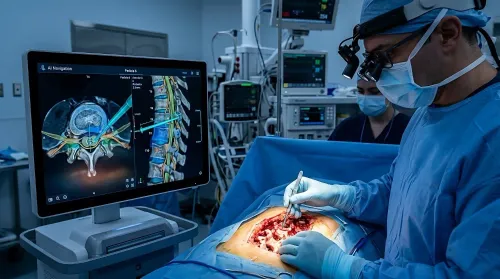
| Robotic | Selected operations in experienced centres | Precise reconstruction; not automatically safer |
A Whipple operation removes the pancreatic head, duodenum, gallbladder and part of the bile duct, then reconnects the digestive tract. Distal pancreatectomy removes the body and tail and often the spleen. Vessel involvement, not tumour size alone, determines operability.
This explains what to expect from pancreatic disease treatment Pune and the pancreas treatment process in Pimpri Chinchwad.
How to plan the next steps and a pancreatic surgery consultation
The pancreas treatment process in Pimpri-Chinchwad is a pathway, not a fixed timeline: triage, blood tests, targeted imaging, specialist or multidisciplinary review, tissue confirmation when needed, treatment planning and follow-up. The schedule changes with the diagnosis.
| Condition | Typical next step | Why timing differs |
|---|---|---|
| Reversible obstruction | Relieve the blockage, then reassess | Jaundice or infection may need urgent treatment |
| Acute pancreatitis | Supportive care and cause control | Recovery comes before elective procedures |
| Cyst or chronic pancreatitis | Risk assessment, surveillance or symptom treatment | Imaging and symptoms determine urgency |
| Cancer | Staging, tissue confirmation when needed, chemotherapy or surgery | Vessel involvement determines resectability and treatment order |
At a pancreatic surgery consultation Pune, ask for clear answers before consenting:
- Which diagnosis is most likely, and do the actual CT or MRI images show vessel involvement?
- Is tissue sampling required, and why does surgery or chemotherapy come first?
- Which operation is proposed, including possible vascular reconstruction?
- What hospital stay, nutrition support, pancreatic enzymes and diabetes risk should you expect?
- What are the main complications, the chance of conversion to open surgery and the follow-up plan?
Dr Kulkarni- Advanced LAPAROSCOPY, Colorectal & ROBOTIC Surgery Clinic can be one setting to discuss minimally invasive or robotic suitability, but lesion, operation, team experience and cancer clearance matter more than incision size. Seek a second opinion before a Whipple procedure or vascular resection.
Related service
Pancreatic Dsease Diagnosis and Treatment in Pune Pancreatic Dsease Diagnosis and Treatment in Pune Pancreatic Disease Diagnosis & Treatment in Pune By Dr. Suprashant D. View service → |
Frequently asked questions
When do pancreatic symptoms need urgent assessment?
Seek prompt medical care for persistent upper-abdominal pain spreading to the back, especially with vomiting or fever. Jaundice, dark urine, pale stools, confusion, or severe weakness also need urgent assessment.
What happens at a first pancreatic consultation?
The clinician reviews your pain pattern, digestion, weight changes, jaundice, diabetes history, medicines, alcohol use, previous pancreatitis, family history, and existing scans. The examination and records guide the next tests.
How are pancreatic tests chosen and prepared for?
Blood tests, ultrasound, contrast CT, MRI with MRCP, endoscopic ultrasound, ERCP, and biopsy answer different questions. Ask whether you need fasting, a kidney-function blood test, contrast precautions, medication changes, or an escort after sedation.
How does treatment change by diagnosis and tumour resectability?
Treatment depends on whether the problem is pancreatitis, a cyst, pseudocyst, neuroendocrine tumour, or pancreatic cancer. For cancer, specialists first assess whether the tumour is resectable, borderline resectable, locally advanced, or metastatic before choosing surgery, chemotherapy, radiation, drainage, or symptom control.
How should you plan a pancreatic surgery consultation?
Bring imaging discs and reports, pathology results, blood-test reports, a medicine list, allergy details, and questions about the proposed operation, alternatives, recovery, complications, nutrition, and follow-up. Ask whether the case needs review by a multidisciplinary team.