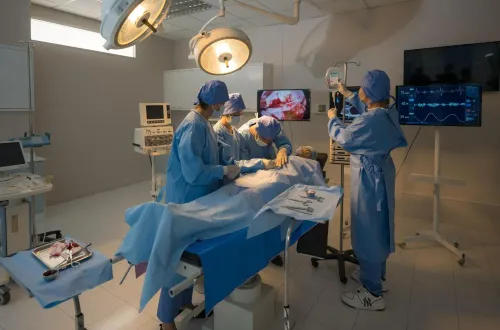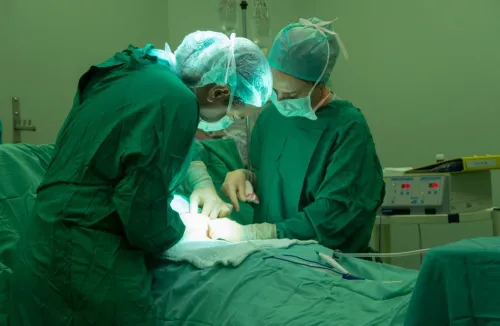

Repeated right-upper-abdominal pain is not automatically a reason for immediate surgery, but typical attacks with gallstones confirmed on ultrasound usually change the balance toward planned laparoscopic cholecystectomy. You will be able to distinguish a routine surgical discussion from an emergency, understand which tests matter, and compare the limits of observation with the risks and benefits of removal.
Key takeaways
- Pain lasting over 30 minutes can fit a gallbladder attack; confirm the cause with testing.
- Ultrasound, liver tests, and symptom patterns help assess whether observation remains safe.
- Repeated uncomplicated attacks often make laparoscopic gallbladder removal the more definitive option.
- Compare Pune surgeons by experience, emergency access, hospital support, and recovery guidance.
What counts as a repeated gallbladder attack?
A repeated gallbladder attack is usually severe, steady pain in the right upper abdomen or epigastrium lasting more than 30 minutes. It may spread to the back or right shoulder. Food, especially a fatty meal, can precede it, but meal timing alone does not prove gallstones caused the pain.
Pain that is not reliably relieved by a bowel movement, changing position, or antacids fits biliary colic more closely.
The important distinctions are:
- Uncomplicated biliary colic causes episodic pain without fever, jaundice, or persistent vomiting.
- Acute cholecystitis causes pain that persists for hours, often with tenderness and fever.
- A bile-duct stone can cause jaundice, dark urine, pale stools, or abnormal liver tests.
- Cholangitis is a duct infection requiring urgent care, especially with fever, chills, jaundice, or confusion.
- Pancreatitis causes severe, persistent upper-abdominal pain that can radiate to the back, often with repeated vomiting.
Indigestion, bloating, heartburn, or vague discomfort without this pain pattern may result from reflux, peptic ulcer disease, functional dyspepsia, irritable bowel syndrome, or another condition. Those symptoms can continue after gallbladder removal.
For adults with repeated typical attacks and gallstones on imaging, the discussion usually shifts from indefinite observation to planned laparoscopic cholecystectomy. Incidentally found stones without symptoms are handled differently. This is the key decision in gallbladder surgery or observation for repeated attacks Pune and recurrent gallbladder attacks treatment Pune.
Which tests show whether observation is still safe?
Observation remains reasonable only after ultrasound and blood tests show no active inflammation, obstruction, or pancreatitis. These tests confirm whether recurrent pain fits gallstones and whether gallbladder observation versus surgery in Pune is still a safe decision.
Abdominal ultrasound looks for:
- Gallstones inside the gallbladder
- A thickened gallbladder wall
- Fluid around the gallbladder
- A distended gallbladder
- A widened common bile duct
| Finding | What it may indicate | Usual next step |
|---|---|---|
| Gallstones without inflammatory signs | Symptomatic or incidental stones | Match the scan to the pain pattern |
| Wall thickening, surrounding fluid, or distension | Possible acute cholecystitis | Prompt clinical assessment |
| Widened common bile duct | Possible duct stone or obstruction | Liver tests and often MRCP or another duct study |
Blood tests usually include bilirubin, AST, ALT, ALP, GGT, and a complete blood count. Lipase is useful when pancreatitis is suspected. Abnormal liver tests or a widened common bile duct can lead to MRCP.
Diagnostic ERCP is not normally the first test because it can cause pancreatitis and other complications; clinicians mainly use it when a duct stone needs treatment.
Do not wait for an elective appointment if you have pain lasting several hours, fever or chills, jaundice, dark urine, pale stools, repeated vomiting, confusion, fainting, inability to keep fluids down, or severe worsening pain. These signs can indicate cholecystitis, obstruction, cholangitis, or pancreatitis rather than a short uncomplicated attack.
When does surgery offer more than observation?
Observation is reasonable for incidentally discovered, asymptomatic gallstones when there is no gallbladder-cancer risk or other indication. It is also a sensible temporary plan when pain is atypical or the diagnosis remains uncertain, but observation does not dissolve stones or remove the risk of another attack.
During observation:
- Record pain location, duration, food triggers, vomiting, fever, and jaundice.
- Follow your clinician’s advice about analgesics.
- Reduce foods that reliably trigger symptoms.
- Arrange reassessment after another attack or if the pattern changes.
For repeated typical biliary-colic attacks with stones confirmed on imaging, guidelines generally favour offering laparoscopic cholecystectomy rather than indefinite observation. Symptoms commonly recur, and a later attack can involve inflammation, duct obstruction, or pancreatitis.
Laparoscopy uses small incisions and usually allows faster recovery than open surgery, but possible harms include bleeding, infection, bile leak, retained duct stones, bile-duct or nearby-organ injury, blood clots, and conversion to open surgery.
Dietary restriction may reduce triggers while you wait, but it is not dependable long-term treatment. Ursodeoxycholic acid suits selected patients who are poor surgical candidates or have specific stone characteristics; recurrence after dissolution is substantial.
The practical choice in recurrent gallbladder attacks treatment Pune is planned surgical review when attacks are typical and stones are confirmed. For gallbladder observation versus surgery Pune, structured observation fits incidental stones or diagnostic uncertainty—not repeated classic attacks.
How should you compare a gallbladder surgeon and hospital in Pune?
Choose the surgeon and hospital by their safety plan, not by proximity alone. For a gallbladder surgery decision Pune patients face, ask whether your symptoms are typical, whether ultrasound and liver tests support gallstones, and whether the common bile duct has been assessed.
A widened duct or abnormal bilirubin, AST, ALT, ALP, or GGT may require MRCP before surgery.
Ask these questions in the consultation:
- How will you obtain the critical view of safety before dividing the cystic duct and cystic artery?
- What will you do if inflammation, adhesions, bleeding, or unusual anatomy prevents safe identification?
- Will you use intraoperative cholangiography or another imaging method when the anatomy is uncertain?
- When would you change strategy, convert to open surgery, or perform a subtotal cholecystectomy?
- Does the hospital provide ERCP, experienced anesthesia support, intensive care, and prompt management of a bile-duct injury?
Dr Kulkarni- Advanced LAPAROSCOPY, Colorectal & ROBOTIC Surgery Clinic can provide one local consultation point for these questions when comparing a gallstone surgeon in Pimple Saudagar with another Pune provider.
| Option | What to compare | Practical point |
|---|---|---|
| Standard laparoscopy | Experience, safety planning, hospital backup | Usually appropriate for routine cases |
| Robotic assistance | Availability, surgeon experience, added cost | Not automatically safer or better |
| Another provider | Emergency support and total charges | Distance alone should not decide |
Ask for a complete cost estimate, including imaging, anesthesia, hospital stay, ERCP, and possible conversion.
Related service
Gallbladder Treatments by Dr. Suprashant D. Kulkarni Consultant – Laparoscopic & General Surgery The gallbladder is a small organ that stores bile, which helps in... View service → |
What should you expect after either decision?
Gallbladder removal usually preserves normal digestion: your liver continues sending bile into the intestine. Some people develop loose stools, urgency, or diarrhoea after meals; persistent symptoms deserve review, not dismissal as an inevitable side effect.
Surgery also cannot guarantee pain relief if reflux, peptic-ulcer disease, irritable bowel syndrome, functional dyspepsia, or another condition caused the symptoms.
| Decision | What to expect | When it fits |
|---|---|---|
| Planned laparoscopic surgery | Recurrent attacks may reduce, but other pain can remain; digestion usually continues normally | Typical attacks with stones confirmed on imaging |
| Structured observation | Track pain, meals, vomiting, fever, and jaundice; another attack can occur | Incidental stones or an uncertain diagnosis |
| Urgent assessment | Do not wait for an elective appointment | Pain lasting several hours, fever or chills, jaundice, dark urine, pale stools, repeated vomiting, confusion, fainting, inability to keep fluids down, or severe worsening pain |
Acute cholecystitis changes the decision. It is not routine observation: when you are suitable for surgery, early laparoscopic removal is generally preferred during the same admission and within one week of diagnosis under NICE guidance.
For a gallbladder surgery decision in Pune, choose planned surgical review for recurrent typical attacks with stones. Use structured observation when stones are incidental or the diagnosis is uncertain. Anyone weighing gallbladder surgery or observation for repeated attacks in Pune should seek emergency care for red-flag symptoms instead of waiting.
Frequently asked questions
What counts as a repeated gallbladder attack?
A typical attack causes steady pain in the right upper abdomen or epigastrium for more than 30 minutes, sometimes spreading to the back or right shoulder. Repeated attacks mean this pattern has occurred more than once, but other causes of pain must be excluded.
Which tests show whether observation is still safe?
An abdominal ultrasound looks for gallstones, gallbladder-wall thickening, fluid, and bile-duct widening. A blood count, liver-function tests, bilirubin, and pancreatic enzymes help identify infection, bile-duct blockage, or pancreatitis. Your symptoms and examination determine whether further imaging is needed.
When does surgery offer more than observation?
Surgery offers a definitive treatment for symptomatic gallstones because it removes the gallbladder and prevents further stone-related attacks. Urgent assessment is needed for fever, jaundice, persistent vomiting, severe or prolonged pain, or suspected cholecystitis, bile-duct stones, or pancreatitis.
How should you compare a gallbladder surgeon and hospital in Pune?
Ask about the surgeon’s experience with laparoscopic cholecystectomy, the plan if the anatomy is unclear, anaesthesia and imaging support, emergency access, conversion-to-open-surgery policy, total fees, and follow-up arrangements. Patients in Pimple Saudagar can also check travel time and after-hours access.
What should you expect after either decision?
After observation, track attack frequency, duration, triggers, fever, jaundice, vomiting, and medication use, and attend scheduled review. After laparoscopic surgery, expect wound care, gradual activity increases, and follow-up instructions; seek urgent care for worsening pain, fever, jaundice, repeated vomiting, or wound problems.